Location: Lambhill Allotments, Glasgow
Timeline: 2013-2016
Users: Family with three young children (ages 1-9)
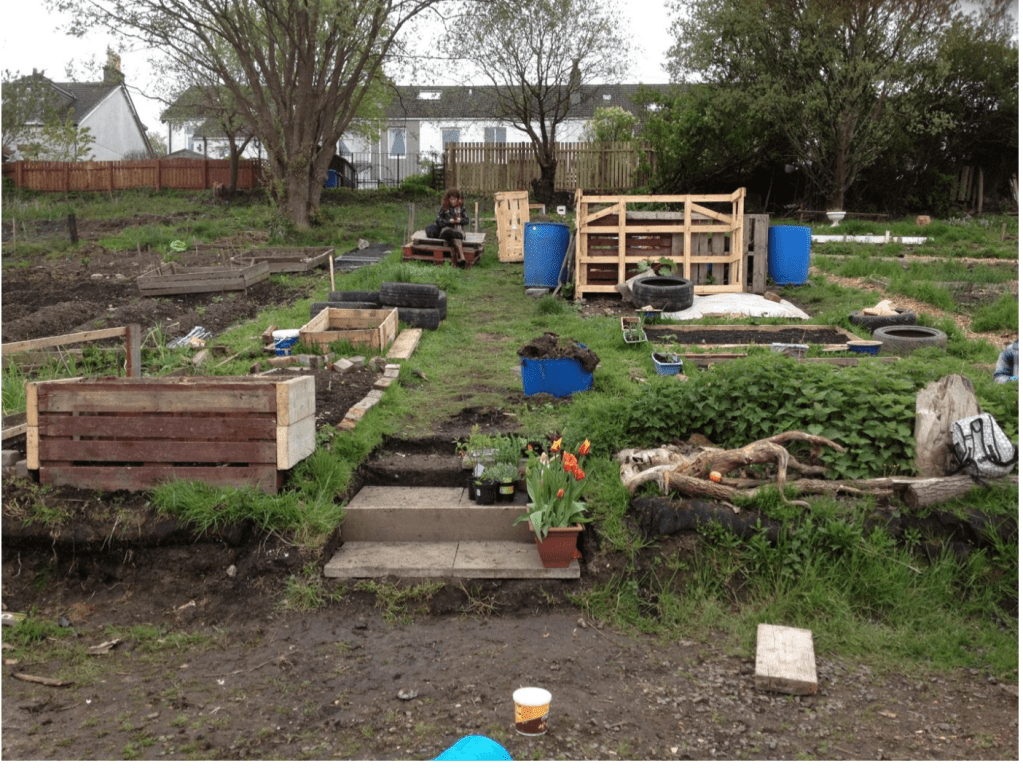
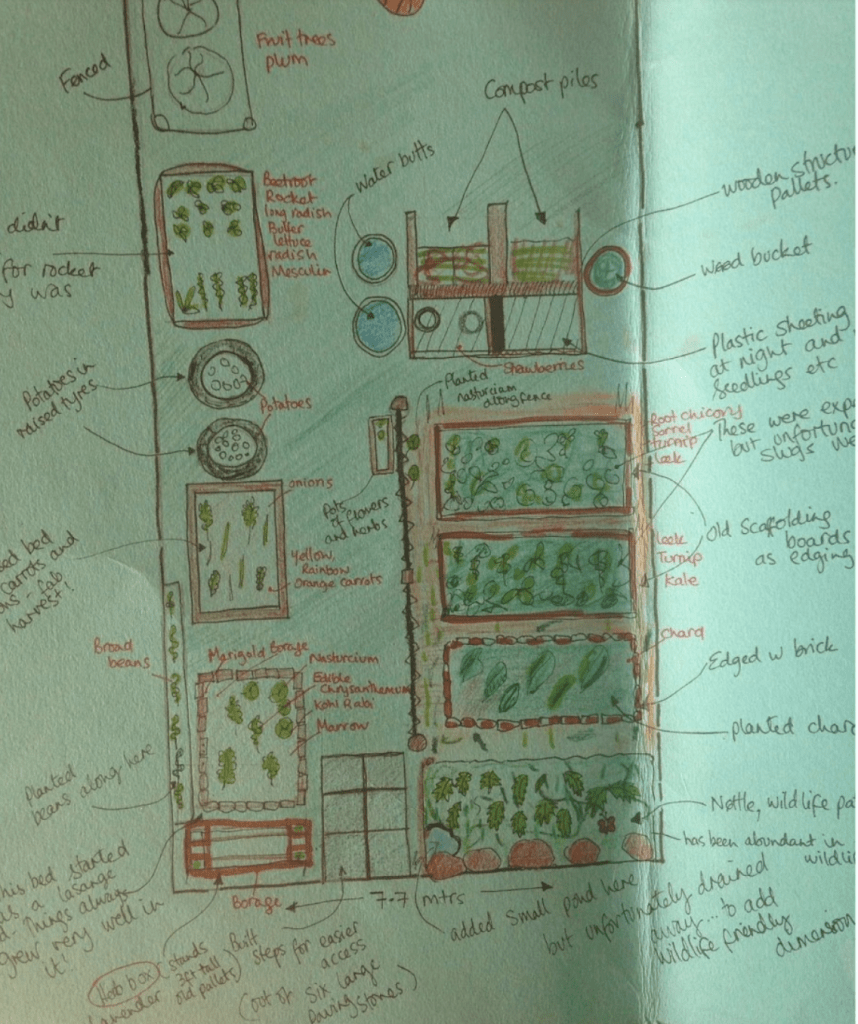
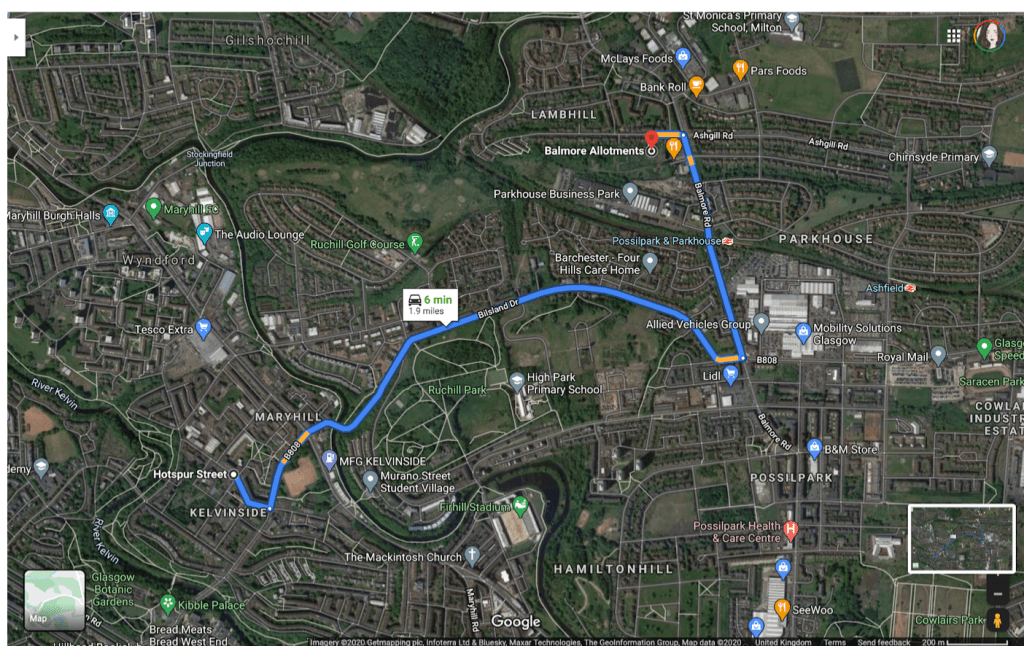
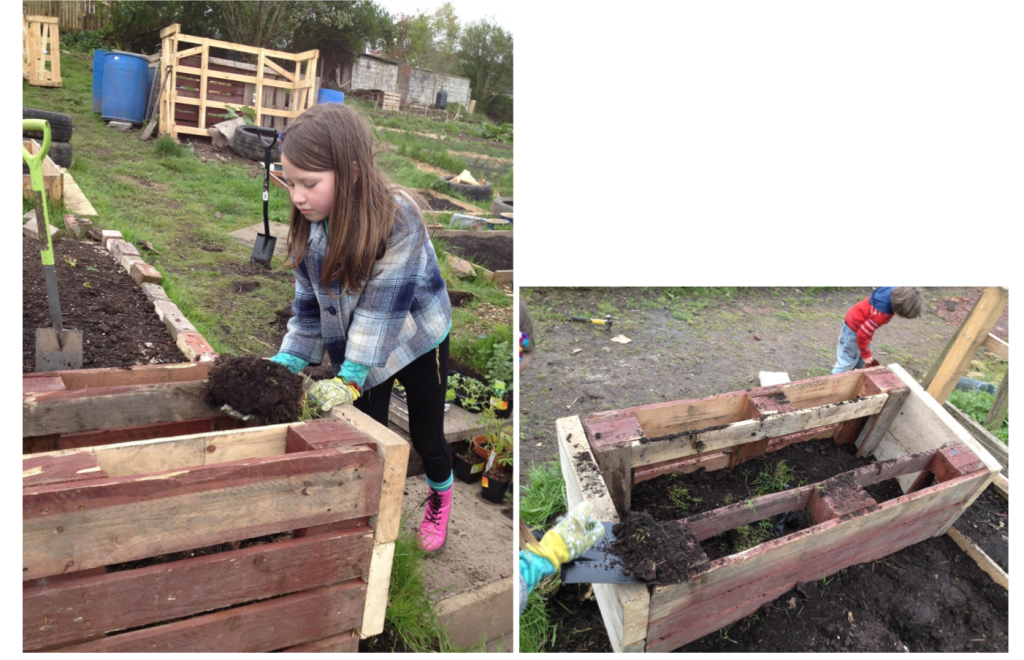
The Challenge
Design a productive allotment space that worked for a family with very young children, located several miles from home with access only by bike via the canal path. The plot was large and under-developed, requiring restoration while meeting multiple needs: food production, outdoor learning space, wildlife habitat, and somewhere to escape city life.
Design Approach
Rather than trying to cultivate the entire large plot immediately, we phased the design to match what the family could realistically maintain while children were small. This meant:
- Prioritizing areas closest to water access and shelter
- Creating zones: productive beds, wild areas, play/rest space
- Building in wildlife from the start (pond, wildflower areas, nettle patches)
- Using found materials and plants already on site (comfrey, coltsfoot)
- Planning for transport: what we grew had to be worth carrying home by bike
What We Did
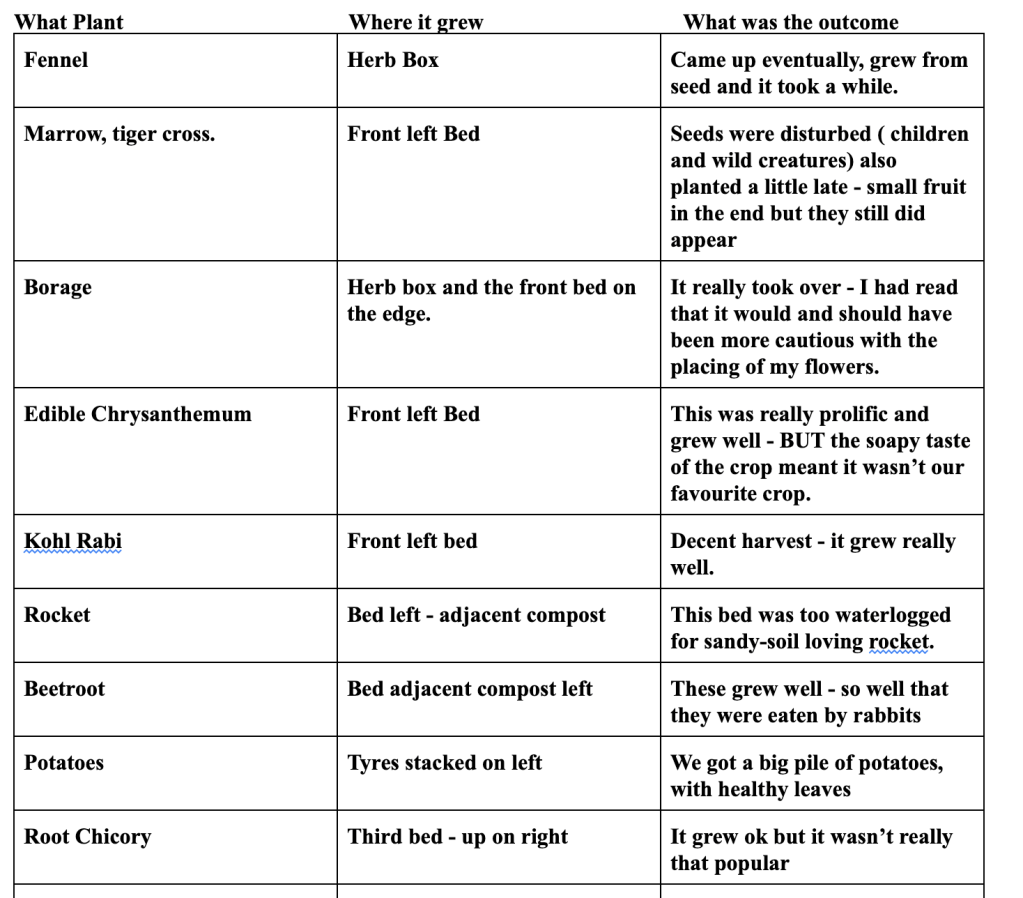
- Established productive beds for leafy greens, root crops, potatoes, and alliums
- Created designated wildlife areas supporting pollinators and biodiversity
- Installed a small pond and planted bee-friendly perennials
- Preserved beneficial wild plants (nettles for biodiversity, comfrey for fertilizer)
- Designed the space so children could engage safely at different ages and abilities
- Made the plot a destination for extended time, not just quick visits
Outcomes
- Two years of substantial harvests: regular bags of vegetables throughout growing seasons
- Multi-generational outdoor education space used in all weather
- Successful integration of food production with wildlife habitat
- Children developed practical growing skills and connection to food cycles
- Demonstrated how family-scale allotments can serve multiple functions beyond pure production
- Shared harvests with other plot holders, building allotment community
What Made It Work
The design succeeded because we planned for real constraints: young children’s needs and attention spans, distance from home, limited time. By accepting we wouldn’t be “self-sufficient” but could still have abundant harvests and rich experiences, the space became sustainable to maintain and genuinely useful rather than an overwhelming project.
 Priya Logan